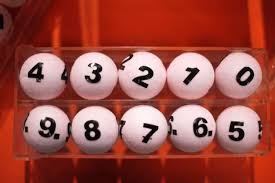
Understanding “Winning” in Lottery 4D Games – Lottery 4D games are number-based games of chance that are popular in several regions due to their simple format and structured prize tiers. The term “4D” typically refers to selecting a four-digit number, with prizes awarded based on how closely the chosen number matches the official draw results. While many people search for ways to win, it is important to understand how these games actually function.
How Lottery 4D Games Are Designed
At their core, 4D lottery games are designed around random number selection. Each draw produces a sequence of numbers generated either mechanically or electronically under controlled conditions. Every possible four-digit combination has an equal probability of being drawn, regardless of previous results.
This randomness means outcomes cannot be predicted or influenced. The system does not recognize patterns, repetition, or “hot” numbers. Each draw is independent, making every result unrelated to past or future draws.
Probability and Odds in 4D Lotteries
Understanding probability helps clarify why winning is unpredictable. In a typical 4D game, there are thousands of possible number combinations. Only a small portion of these combinations result in prizes, and even fewer lead to top-tier outcomes.
Because of this structure, lottery games are classified as chance-based, not skill-based. Unlike games where decision-making affects outcomes, 4D lotteries rely entirely on random selection.
Common Misconceptions About Winning
Many myths surround lottery games. Some believe that analyzing past results, using number systems, or following certain sequences can improve chances. In reality, these beliefs are psychological patterns rather than mathematical advantages.
Another misconception is that numbers that “haven’t appeared in a long time” are more likely to appear. This idea, known as the gambler’s fallacy, assumes that randomness has memory — which it does not.
Prize Structure and Distribution
Lottery 4D games usually offer multiple prize tiers. Exact matches may result in higher prizes, while partial matches can yield smaller rewards. This structure creates excitement and anticipation but does not change the underlying probability of each number being drawn.
Prize distribution is predetermined and built into the lottery system. Over time, lotteries are mathematically designed to return only a portion of total ticket sales as prizes.
Responsible Awareness
Understanding how lottery games work promotes informed awareness rather than unrealistic expectations. Many regulated lottery operators emphasize age restrictions, transparency, and responsible participation.
Educational discussions about lotteries often focus on probability, mathematics, and behavioral psychology rather than outcomes or winning methods.